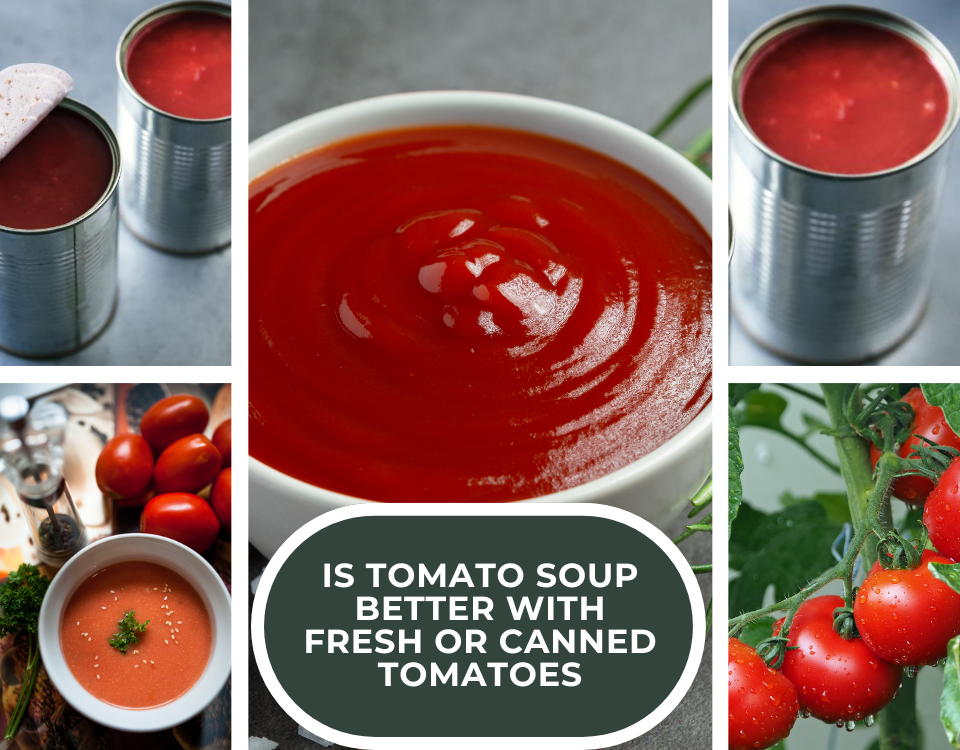
Canned vs. Fresh: The Ultimate Homemade Tomato Soup Showdown
There are few culinary delights as universally comforting as a steaming bowl of homemade tomato soup. It's the quintessential comfort food, capable of warming you from the inside out on a chilly afternoon, evoking childhood memories, or simply providing a nourishing, flavorful meal. But for every aspiring home chef, a crucial question often arises: what kind of tomatoes make the best base? The debate between using canned tomatoes versus fresh, peak-season produce is a passionate one, with each option offering unique advantages that can significantly influence the final flavor, texture, and convenience of your beloved soup. In this ultimate showdown, we’ll explore the merits of both, helping you decide which path to take for your next batch of homemade deliciousness.
The Undeniable Appeal of Canned Tomatoes for Homemade Tomato Soup
When it comes to crafting a deeply flavorful and consistently delicious homemade tomato soup, canned tomatoes often emerge as an unexpected hero. Far from being a compromise, they offer a host of benefits that make them a go-to for many chefs and home cooks alike.
Reliable Flavor, Year-Round Convenience
One of the most compelling arguments for canned tomatoes is their remarkable consistency and year-round availability. The tomatoes destined for canning are typically harvested at their absolute peak of ripeness, when their flavor is most intense and sweet. They are then processed and sealed quickly, effectively locking in that optimal flavor. This means you don't have to wait for summer to enjoy the vibrant taste of ripe tomatoes; you can create a Cozy Homemade Tomato Soup: Silky Smooth & Ready in About an Hour any time the craving strikes. This dependability is a huge advantage, especially when fresh, good-quality tomatoes are out of season and can be watery or bland.
Depth and Umami
Canned tomatoes often bring a unique depth and richness to soup that can be harder to achieve with fresh. The canning process, which involves cooking the tomatoes, concentrates their natural sugars and acids, enhancing their inherent umami. This gives the soup a more robust, "slow-cooked" flavor in significantly less time. Combined with aromatics like sautéed onion and garlic, fresh basil (or dried, if that's what you have on hand), and a good quality broth, canned tomatoes quickly transform into a soup that tastes like it simmered for hours, not just about an hour.
Practicality and Variety
Beyond flavor, canned tomatoes offer unparalleled convenience. They are a pantry staple, ready to be transformed into a gourmet meal with minimal effort. You don't need to wash, stem, or even chop them extensively. Simply open the can, and you're halfway to soup heaven.
Moreover, the variety of canned tomatoes available allows for creative control over your soup's texture and body:
- Whole Peeled Tomatoes: Often considered the gold standard, especially San Marzano varieties, these break down beautifully and offer a clean, rich tomato flavor.
- Crushed Tomatoes: Perfect for a soup that's thicker and needs less blending to achieve a hearty texture.
- Diced Tomatoes: While great for salsas, they can sometimes remain a bit chunky even after blending due to their firming agent. If you desire a truly silky soup, whole or crushed are often preferred.
Using canned tomatoes means you can often have a delicious, homemade bowl of soup on the table in about an hour, making it an ideal choice for busy weeknights when comfort food is a must.
The Irresistible Allure of Fresh Tomatoes for Homemade Tomato Soup
While canned tomatoes offer convenience and consistent depth, there's an undeniable magic to a homemade tomato soup crafted from ripe, seasonal fresh tomatoes. This approach celebrates the raw beauty and vibrant taste of garden-fresh produce.
A Burst of Garden-Fresh Flavor
Nothing quite compares to the bright, tangy, and subtly sweet flavor of a tomato picked at its peak, especially during the summer months. When you use fresh tomatoes, particularly heirloom varieties, Early Girls, or vine-ripened Roma tomatoes, your soup will capture a lighter, more vivacious essence. This isn't just about taste; it's about the entire sensory experience – the fresh aroma, the vibrant color, and the subtle nuances that only truly fresh produce can provide. The soup feels lighter, more summery, and undeniably 'alive' with the taste of the garden.
Ingredient Purity and Control
Making soup with fresh tomatoes allows for complete control over every ingredient. You know exactly where your tomatoes come from, and you can choose organic options if that's important to you. The ingredient list is typically minimalist: fresh tomatoes, olive oil, onion, fresh garlic, herbs like basil or oregano, and broth. This makes it incredibly appealing for those seeking a pure, unadulterated flavor profile, and it can easily be adapted for dietary needs, such as being naturally vegan when using vegetable broth.
Crafting Your Soup from Scratch
The process of making fresh tomato soup is a delightful culinary journey. It typically involves removing the stems, cutting the tomatoes in half, then sautéing them with onions and garlic before simmering with herbs and broth. This hands-on approach allows you to engage more deeply with your ingredients. After simmering until the tomatoes soften, a quick blend transforms them into a rustic or silky-smooth soup, depending on your preference. For an extra luxurious texture, you can pass the blended soup through a fine-mesh strainer to remove seeds and any lingering skin fragments, resulting in a velvety finish. For those who love the idea of creating something truly from scratch, exploring a Homemade Tomato Soup From Scratch: Fresh or Canned for Perfect Flavor with fresh tomatoes is an incredibly rewarding experience.
Tips for Using Fresh Tomatoes:
- Variety Matters: Opt for flavorful varieties like Early Girls, Heirlooms, Romas, or any vine-ripened tomatoes available.
- Seasonality is Key: Fresh tomatoes shine brightest when in season. If you're buying off-season, prioritize vine-ripened Romas for more consistent flavor.
- To Peel or Not to Peel: Peeling is optional. While some prefer to remove skins for a smoother texture, a good blender will often render them imperceptible. If you strain the soup, skins will be removed anyway.
- Quantity: Plan for about 4 pounds of fresh tomatoes for a substantial batch of soup, roughly 16 medium-sized tomatoes.
Blending Perfection: Tips for Your Homemade Tomato Soup
Whether you choose the convenience of canned or the vibrancy of fresh, several techniques and additions can elevate your homemade tomato soup to new heights. The goal is always that creamy finish and smooth, silky consistency that makes tomato soup so irresistible.
Achieving That Silky Smooth Texture
The secret to a luscious, restaurant-quality tomato soup often lies in the blending. After simmering all your ingredients – whether fresh or canned tomatoes, along with sautéed onions, garlic, and herbs – a good blender is your best friend. An immersion blender can be used directly in the pot, or a stand blender can achieve even greater smoothness. For an ultra-silky texture, especially when using fresh tomatoes that might have seeds or tougher skin, pouring the blended soup through a fine-mesh strainer is a game-changer. This extra step removes any fibrous bits, leaving you with an incredibly refined soup base.
Flavor Enhancements for Both Types
Regardless of your tomato choice, certain pantry staples and fresh ingredients are crucial for building a complex and satisfying flavor profile:
- Aromatics: Sautéing onions (white or yellow work well) and fresh garlic in olive oil until softened forms the aromatic foundation of any great tomato soup.
- Herbs: Fresh basil is a classic pairing, offering a sweet, peppery note. Dried oregano or thyme also complement the tomato beautifully. Add fresh herbs towards the end of cooking to preserve their vibrant flavor.
- Broth: Vegetable broth keeps the soup naturally vegan, while chicken broth adds another layer of savory depth. Choose a high-quality broth for the best results.
- Sweetness and Acidity Balance: A pinch of sugar (or a carrot simmered with the tomatoes) can help balance the acidity of the tomatoes, especially with canned varieties. A splash of balsamic vinegar or lemon juice at the end can brighten the flavor.
- Creaminess (Optional): To achieve that classic creamy finish, stir in ¼ to ½ cup of heavy cream or half-and-half after the soup is blended and just before serving. This transforms the soup into a richer, more indulgent experience.
Serving Suggestions
No homemade tomato soup is complete without its perfect accompaniments. Classic pairings include:
- Grilled Cheese Sandwich: The ultimate nostalgic duo.
- Croutons: Homemade croutons add a delightful crunch and are incredibly easy to make.
- Crusty Bread: French bread, focaccia, or crostini are excellent for dipping.
- Garnishes: A swirl of cream, fresh basil leaves, a sprinkle of Parmesan cheese, or a drizzle of good olive oil can elevate the presentation and flavor.
The Verdict: Which Tomato Reigns Supreme for Your Homemade Tomato Soup?
Ultimately, there isn't a single "best" choice in the canned vs. fresh tomato debate for homemade tomato soup. Each offers a unique experience tailored to different preferences, times, and occasions. If you crave deep, consistent, year-round flavor with minimal fuss and a quicker cooking time, canned tomatoes are an unbeatable choice, providing that rich, comforting depth. They are the champions of convenience and dependable quality, ensuring your cozy winter dinner ideas are always within reach.
However, if you have access to vibrant, ripe, in-season tomatoes and enjoy the process of cooking from scratch, fresh tomatoes will reward you with a brighter, more vivacious, and utterly pure flavor profile. They offer a taste of summer, a connection to the garden, and an unparalleled freshness that shines through in every spoonful. Many food enthusiasts enjoy experimenting with both, appreciating the distinct characteristics each brings to the table.
Conclusion
Whether you opt for the robust reliability of canned tomatoes or the garden-fresh brilliance of seasonal produce, the true beauty lies in the act of making homemade tomato soup. It’s a simple pleasure, a classic recipe that transforms humble ingredients into a bowl of pure comfort. So, gather your chosen tomatoes, your aromatic companions, and embark on your own culinary journey. Experiment with both methods, savor the differences, and discover which tomato makes your ultimate homemade tomato soup sing. Your taste buds, and your family, will thank you.
