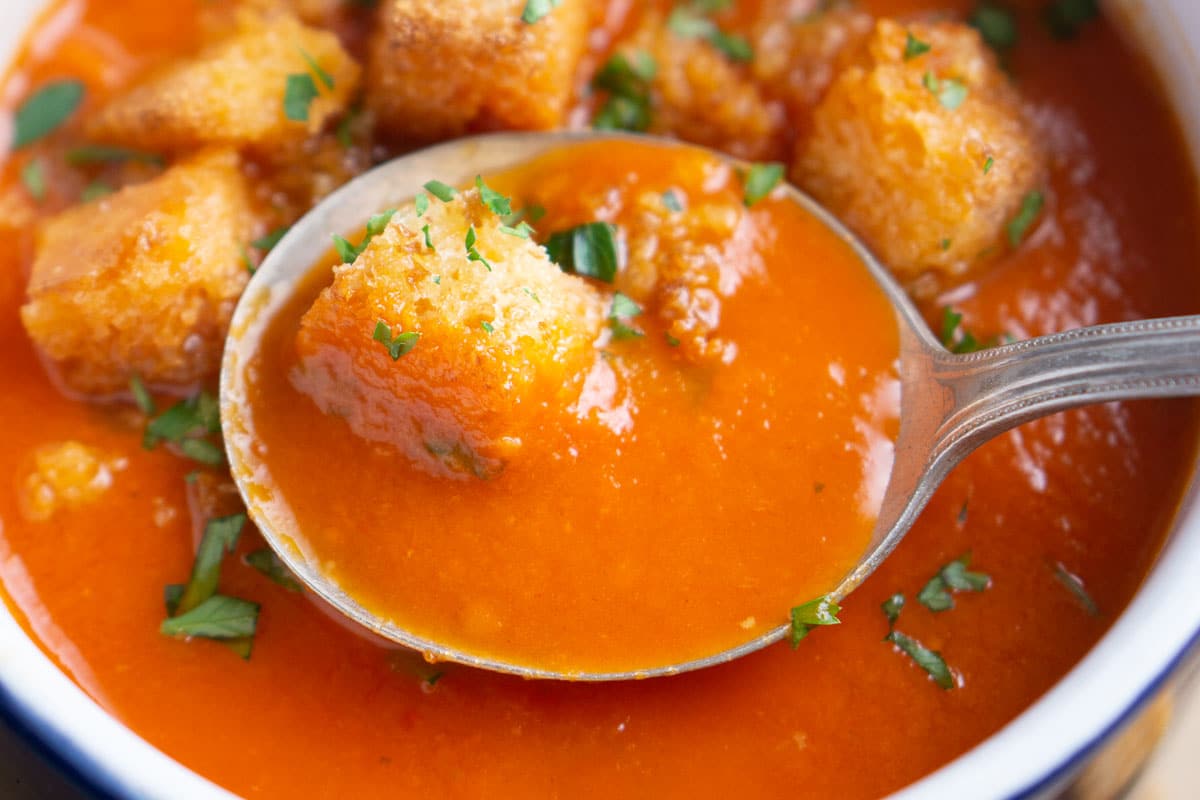
The Allure of Homemade Tomato Soup: A Culinary Hug in a Bowl
There are few dishes as universally comforting and deeply satisfying as a bowl of
homemade tomato soup. It’s more than just a meal; it's a nostalgic embrace, a warmth that chases away the chill, and the perfect companion to a crispy grilled cheese sandwich. Forget the one-dimensional flavor of store-bought cans; making tomato soup from scratch unlocks a vibrant, complex taste that simply can't be replicated. The rich aroma filling your kitchen, the silky texture, and the intense, fresh tomato flavor make this a go-to recipe for cozy evenings, family dinners, or simply a treat for yourself. But as you embark on this delicious journey, a crucial decision arises: should you opt for the bright, seasonal taste of fresh tomatoes or the consistent convenience of canned?
Fresh vs. Canned: The Ultimate Tomato Debate for Your Soup
The heart of any great
homemade tomato soup lies in its tomatoes, and choosing between fresh and canned can significantly impact the final flavor profile and the preparation process. Both options have their merits, offering unique advantages depending on the season, your time constraints, and your desired taste.
Embracing the Convenience and Consistency of Canned Tomatoes
For many culinary enthusiasts, quality canned tomatoes are the secret weapon for an exceptional
homemade tomato soup. Here's why they often come out on top:
- Peak Ripeness, Year-Round: Canned tomatoes are typically picked at the height of their ripeness and processed immediately, locking in their most intense flavor. This ensures a consistent, delicious base for your soup, no matter the season. You don't have to wait for summer to enjoy a rich, flavorful tomato soup.
- Unbeatable Convenience: Canned tomatoes eliminate the need for washing, stemming, and often chopping, significantly cutting down on prep time. They are true pantry staples, allowing you to whip up a gourmet-tasting soup even on busy weeknights.
- Deep, Concentrated Flavor: The canning process can actually concentrate the tomato's natural sugars and acids, often resulting in a deeper, more robust flavor profile than out-of-season fresh tomatoes might offer. This makes for a soup that tastes slow-cooked, even if it's ready in about an hour.
If you're looking for a quick, reliable, and deeply flavorful homemade tomato soup, especially outside of peak summer, canned tomatoes are an excellent choice. To dive deeper into this comparison, explore our article:
Canned vs. Fresh: The Ultimate Homemade Tomato Soup Showdown.
Savoring the Seasonal Splendor of Fresh Tomatoes
While canned tomatoes offer year-round consistency, there's an undeniable magic to a
homemade tomato soup crafted with perfectly ripe, in-season fresh tomatoes.
- Vibrant, Bright Flavor: When fresh tomatoes are at their prime – sun-ripened and bursting with natural sweetness and acidity – they impart an unparalleled vibrancy and freshness to your soup. This is the taste of summer captured in a bowl.
- Lighter Texture: Soups made with fresh tomatoes can sometimes have a slightly lighter, more delicate texture compared to their canned counterparts, which might be preferred by some.
- Garden-to-Table Connection: Using fresh ingredients from your garden or local market offers a sense of connection to your food and the satisfaction of cooking truly from scratch.
The downside, of course, is seasonality. Off-season fresh tomatoes can be watery, bland, and lack the depth of flavor needed for a truly outstanding soup.
Crafting Homemade Tomato Soup with Canned Tomatoes: Convenience Meets Flavor
This approach to
homemade tomato soup is a testament to how simple ingredients can yield extraordinary results. It's the kind of comfort food you can stir together on a chilly afternoon, filling your kitchen with an inviting aroma, and have on the table in about an hour.
Ingredients & Process for a Speedy, Silky Soup:
To create this classic, go-to soup, you'll typically need:
- Quality Canned Tomatoes: Opt for whole peeled San Marzano tomatoes for their delicate balance of sweetness and acidity, or good quality crushed tomatoes for convenience.
- Aromatics: Onion and fresh garlic are non-negotiable for building a flavorful base.
- Fat: Olive oil for sautéing.
- Liquid: Vegetable broth or chicken broth to achieve the right consistency and add depth.
- Herbs & Seasoning: Fresh or dried basil (a classic pairing!), salt, and black pepper.
The process is straightforward:
- Sauté the Aromatics: Begin by sautéing diced onion in olive oil until translucent and softened. Add minced garlic and cook for another minute until fragrant, but don't let it brown. This step is crucial for building the soup's flavor foundation.
- Simmer to Perfection: Pour in your canned tomatoes, broth, and basil. Bring the mixture to a gentle boil, then reduce heat and simmer for about 30-40 minutes. This allows the flavors to meld beautifully and the tomatoes to break down further.
- Blend for Silkiness: Once simmered, use an immersion blender directly in the pot, or carefully transfer batches to a regular blender, to achieve that coveted smooth, silky consistency. Blend until completely uniform, with no chunks remaining.
For a detailed guide on making a delicious canned-tomato based soup quickly, check out our article:
Cozy Homemade Tomato Soup: Silky Smooth & Ready in About an Hour.
Embracing the Season: Homemade Tomato Soup with Fresh Tomatoes
When summer tomatoes are abundant and perfect, making
homemade tomato soup with fresh produce is a delightful experience. The extra effort in preparation is rewarded with a bright, clean flavor that truly sings.
Key Ingredients & Steps for Garden-Fresh Flavor:
For this version of from-scratch soup, you'll want:
- Abundant Fresh Tomatoes: Approximately 4 pounds of ripe, flavorful tomatoes. Early Girls, Heirlooms, or vine-ripened Roma tomatoes are excellent choices. A good rule of thumb is about 16 medium-sized tomatoes.
- Aromatics: Onion and fresh garlic.
- Fat: Olive oil.
- Liquid: Vegetable or chicken broth.
- Herbs & Seasoning: Fresh basil or oregano, salt, and pepper.
Here’s how to bring out their best:
- Tomato Prep: Wash your fresh tomatoes, remove the stems, and cut them in half. Peeling is entirely optional; the skins will puree seamlessly into a smooth soup.
- Sauté the Base: In a large soup pot, sauté your diced onion in olive oil until tender, then add minced garlic and cook briefly until fragrant.
- Combine & Simmer: Add the halved tomatoes, broth, herbs (such as oregano or basil), and salt to the pot. Bring the mixture to a boil, then reduce the heat and simmer for approximately 40 minutes, or until the tomatoes are very soft and easily break apart.
- Blend to Perfection: Once cooked, blend the soup using an immersion blender or standard blender until it's completely smooth. For an ultra-silky texture, you can optionally pass the blended soup through a fine-mesh strainer to remove any remaining seeds or tough bits of skin.
Pro Tip for Fresh Tomatoes: If making this soup off-season, opt for vine-ripened or Roma tomatoes, which tend to have more consistent flavor and less water content than other varieties during colder months. A touch of tomato paste can also boost the "tomato-ness" when using less flavorful fresh tomatoes.
Elevating Your Homemade Tomato Soup Experience: Tips & Pairings
Whether you choose fresh or canned, there are always ways to enhance your
homemade tomato soup and make it truly unforgettable.
Beyond the Basics: Flavor Enhancements
- Make it Creamy: For a restaurant-quality finish, stir in ¼ to ½ cup of heavy cream or half-and-half after blending. For a dairy-free option, a swirl of full-fat coconut milk can add a lovely richness.
- Balance the Acidity: A small pinch of sugar (a teaspoon or two) can work wonders to balance the acidity of the tomatoes and round out the flavor profile. A splash of balsamic vinegar can also add depth and a touch of sweetness.
- Umami Boost: A swirl of pesto, a Parmesan rind added during simmering (and removed before blending), or even a touch of fish sauce (don't worry, you won't taste fish!) can add layers of savory complexity.
- Finish with Fat: A pat of butter or a drizzle of high-quality extra virgin olive oil stirred in right before serving can add a luxurious mouthfeel and gloss.
The Perfect Companions: Pairings & Garnishes
A bowl of
homemade tomato soup is delicious on its own, but it truly shines when paired with the right accompaniments:
- The Classic Duo: A gooey, crispy grilled cheese sandwich is the quintessential pairing.
- Crusty Carbs: Serve with warm, crusty bread, homemade croutons, crostini, or focaccia for dipping.
- Fresh Herbs: A sprinkle of fresh basil, parsley, or chives adds a burst of color and herbaceous freshness.
- A Swirl of Dairy: A dollop of sour cream, crème fraîche, or plain Greek yogurt can add a tangy, cooling contrast.
- Cheesy Topping: Grated Parmesan or a sprinkle of crumbled feta elevates the savory notes.
Don't forget that
homemade tomato soup also freezes beautifully! Portion it into airtight containers and freeze for up to three months, making it perfect for meal prepping and enjoying comfort food on demand.
Conclusion
From the quick convenience of canned tomatoes to the vibrant, seasonal joy of fresh ones, making
homemade tomato soup from scratch is a deeply rewarding culinary experience. It’s a recipe that can be adapted to fit your schedule, your pantry, and your personal taste, always delivering on its promise of warmth and comfort. So gather your ingredients, choose your tomato adventure, and prepare to savor one of the most beloved and versatile dishes, a true culinary hug that will undoubtedly become a staple in your home.